Fine Lines and Wrinkles

Consultations are available for concerns related to wrinkles and lines

Individual results vary. A consultation with a qualified practitioner is required to assess suitability before any treatment is recommended. All treatments carry risks, which will be discussed in full during your consultation.
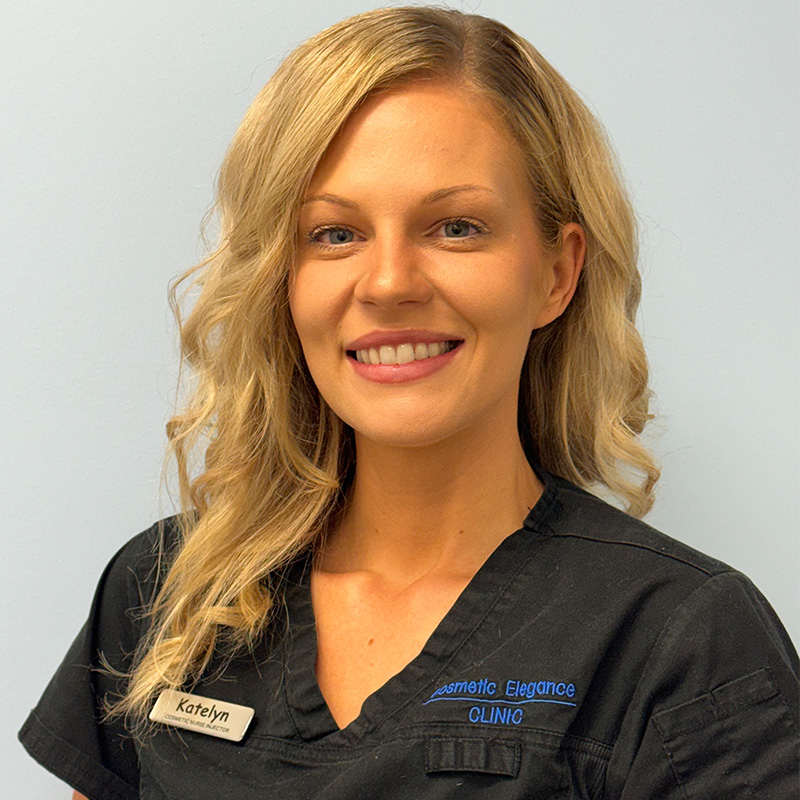
Katelyn

Registered Nurse – Cosmetic Aesthetic Nurse

Katelyn joined us as a skilled and compassionate Registered Nurse. With a background in both nursing and cosmetic aesthetics, she brings a blend of medical expertise and artistic vision to her work, understanding facial anatomy and a keen eye for detail, she also offers anti-wrinkle & dermal fillers treatments delivering results that enhance her clients’ natural features while ensuring their comfort and safety throughout every procedure.
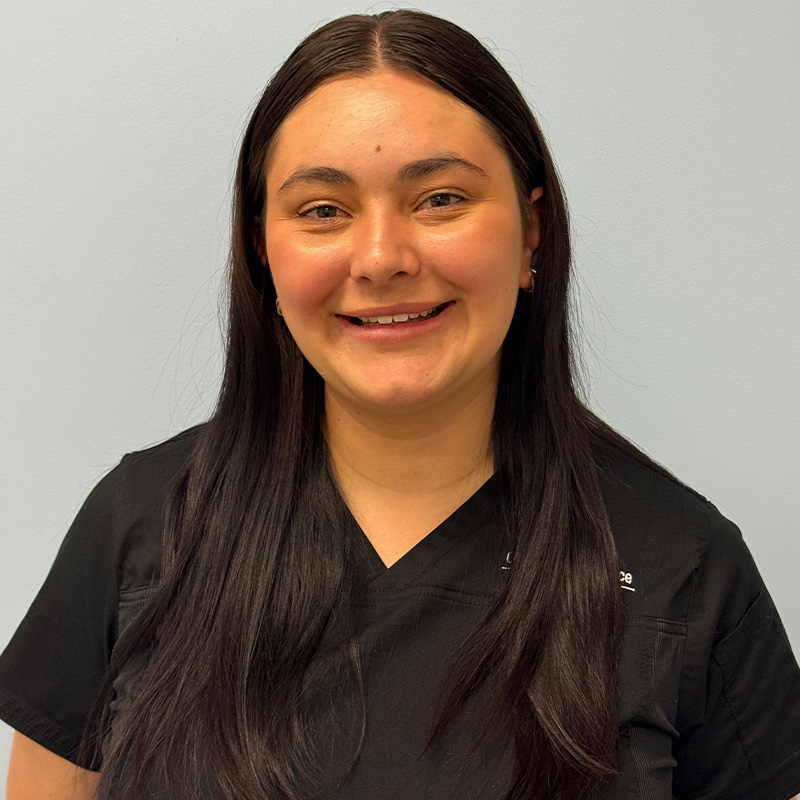
Amorei Basson (Vermeulen)

Registered Nurse – Cosmetic Aesthetic Nurse

I have been a registered nurse for a little over 2 years, having worked in general practice and then moving into the cosmetic field. I have always been interested in what can be done to help enhance client’s natural beauty and I am excited for the opportunity to join Cosmetic Elegance, as their reputation as a leading Skin Cancer and Cosmetic Centre is renown is this region.

Growing up in a family that was always sunsmart, I have also become interested in skin cancer procedures. I enjoy assisting the doctors with procedures and learning about our skin and how important it is that we look after it.

I was born in South Africa but have spent most of my life in Australia. I have been in Toowoomba for 8 years and enjoy spending time with my husband and our 2 fur babies who are the light of our lives.

We like to take the dogs for an exploration and a dip on my parents property as they both have a lot of energy to burn and are very fond of water!

Why Choose Us?

We use evidence-based approaches in our practice for all treatments performed. Our focus is on enhancing your natural features in a way that looks balanced and appropriate for you. Each consultation is tailored to your individual goals, and our practitioners will discuss realistic options and any associated risks before any treatment proceeds.

Book a Facial Assessment

We recommend booking a consultation and facial assessment with one of our Cosmetic Registered Nurses or Doctors. They will provide personalised recommendations based on your individual circumstances, and discuss treatment options, suitability, and risks specific to you.

Understanding Wrinkles and Lines

Wrinkles and lines are among the most universal signs of facial ageing, and they are something almost everyone notices at some point. But what is actually happening beneath the surface to cause them, and why do they develop where they do? Understanding the biology behind these changes can help clarify what you are seeing and why.

The Science Behind the Changes

Dynamic Lines and Muscle Movement

The face is extraordinarily expressive. Over a lifetime, the muscles responsible for facial expression contract tens of thousands of times, creating the smiles, frowns, squints, and raised eyebrows that are fundamental to how we communicate. Because facial muscles insert directly into the skin, every contraction creates a fold or crease in the overlying tissue. In youth, the skin has enough elasticity to spring back fully between expressions, leaving no lasting mark. Over time, as the skin’s elasticity declines, these repeated folds begin to leave an imprint. Lines that were once only visible mid-expression gradually become visible at rest. This is the mechanism behind what are commonly referred to as expression lines or dynamic lines, those around the eyes, across the forehead, and between the brows.

Collagen and Elastin Decline

Collagen provides the skin with its structural scaffolding, giving it firmness and thickness. Elastin, as the name suggests, gives the skin its elastic quality, its ability to stretch and return to its original position. From our mid-twenties, both proteins are produced at a slower rate, while the enzymes that break them down continue at their usual pace. By the time most people reach their late thirties or forties, this imbalance has accumulated to a point where it becomes visible. The skin becomes thinner and less resilient, making it more susceptible to creasing and less able to recover from the repeated movements of daily life.

Hyaluronic Acid and Skin Hydration

Hyaluronic acid is a naturally occurring molecule in the body that has a remarkable ability to attract and retain water. In the skin, it plays a central role in maintaining hydration, plumpness, and a smooth surface texture. Its concentration in the skin declines with age, contributing to a drier, thinner skin surface where fine lines become more visible. This is distinct from the deeper structural changes caused by collagen loss, surface dehydration can make fine lines more apparent even when the underlying skin structure is relatively intact.

Sun Exposure and UV Damage

Ultraviolet radiation is one of the most significant accelerants of skin ageing. UV exposure triggers the production of enzymes called matrix metalloproteinases, which break down collagen and elastin in the skin. It also causes direct DNA damage to skin cells and generates free radicals that contribute to oxidative stress. The result is that sun-exposed areas of the face, particularly the cheeks, around the eyes, and the upper lip area, tend to show earlier and more pronounced changes than protected areas. This is why dermatologists and skin clinicians often describe UV exposure as one of the most modifiable factors in the rate of visible skin ageing.

Skin Cell Turnover

In younger skin, the cycle of skin cell production and shedding is relatively rapid, contributing to a smoother, more radiant surface. With age, this turnover slows. Older, less uniform cells remain on the surface for longer, which can contribute to a rougher texture and a less even appearance. This change in cell turnover also affects how the skin responds to its environment and how effectively topical products can penetrate the skin barrier.

Lifestyle and Environmental Factors

Beyond chronological ageing and UV exposure, several lifestyle factors influence the rate at which wrinkles and lines develop. Smoking significantly accelerates skin ageing by reducing blood flow to the skin, depleting vitamin C, and increasing free radical activity. Chronic dehydration, poor sleep, high stress, and a diet low in antioxidants can all compound the effects of biological ageing. These factors do not cause wrinkles in isolation, but they influence the pace at which the underlying biological changes accumulate.

Book a complimentary consultation with an aesthetic nurse